

該項目以工業遺跡的曆史肌理為創作原點,通過 “保留 — 重構 — 注入” 的設計策略,將服裝零售、咖啡社交、藝術展示三大功能有機整合,打造出一個具有敘事性、衝突感與體驗感的複合型商業空間,在工業美學與當代消費場景的碰撞中,重新定義城市商業空間的可能性。
This project takes the historical texture of industrial relics as its creative starting point. Through the design strategy of “preservation – reconstruction – injection”, it organically integrates the three functions of fashion retail, coffee socializing, and art exhibition, creating a composite commercial space with narrativeness, a sense of conflict, and a sense of experience. In the collision between industrial aesthetics and contemporary consumption scenarios, it redefines the possibilities of urban commercial spaces.
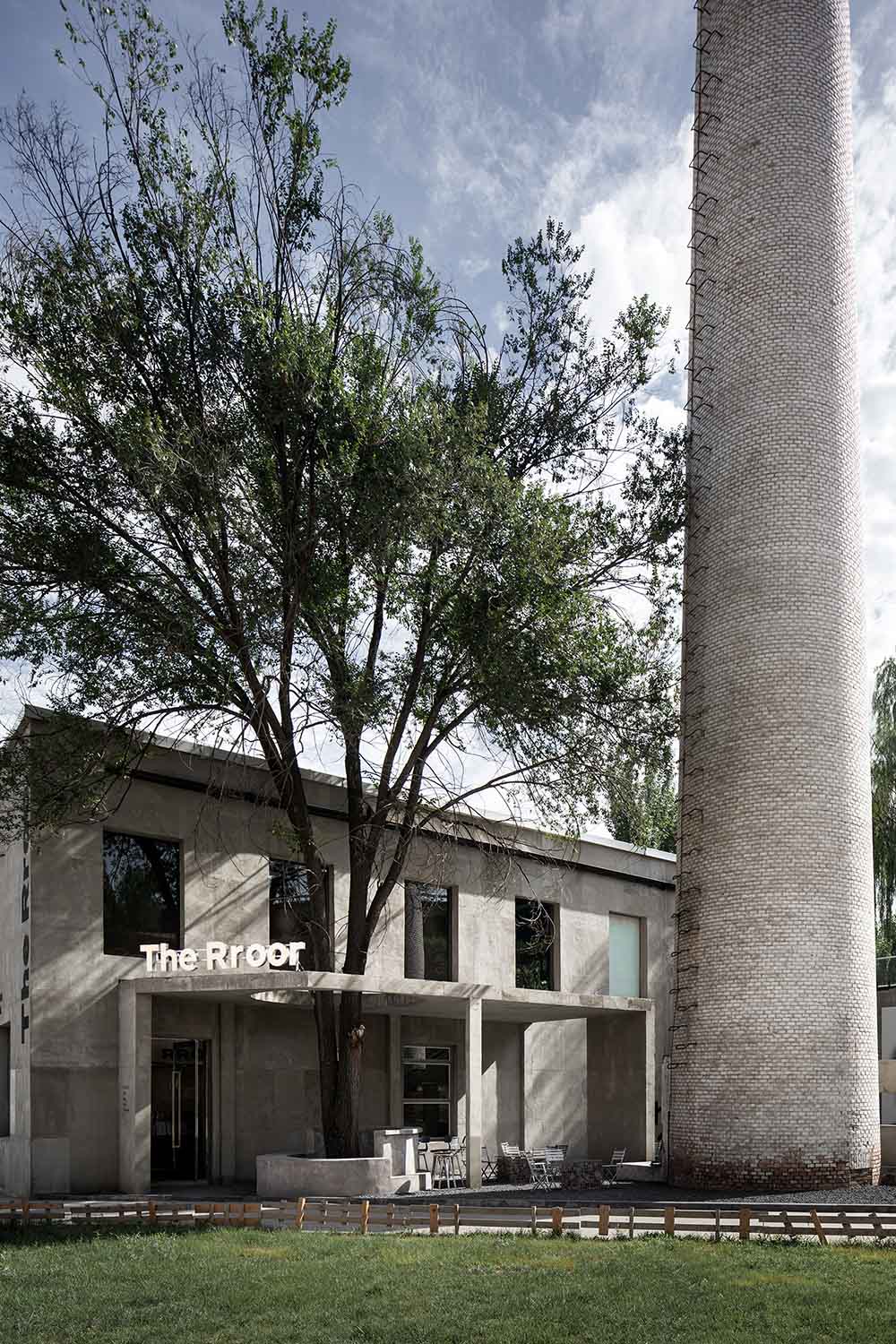
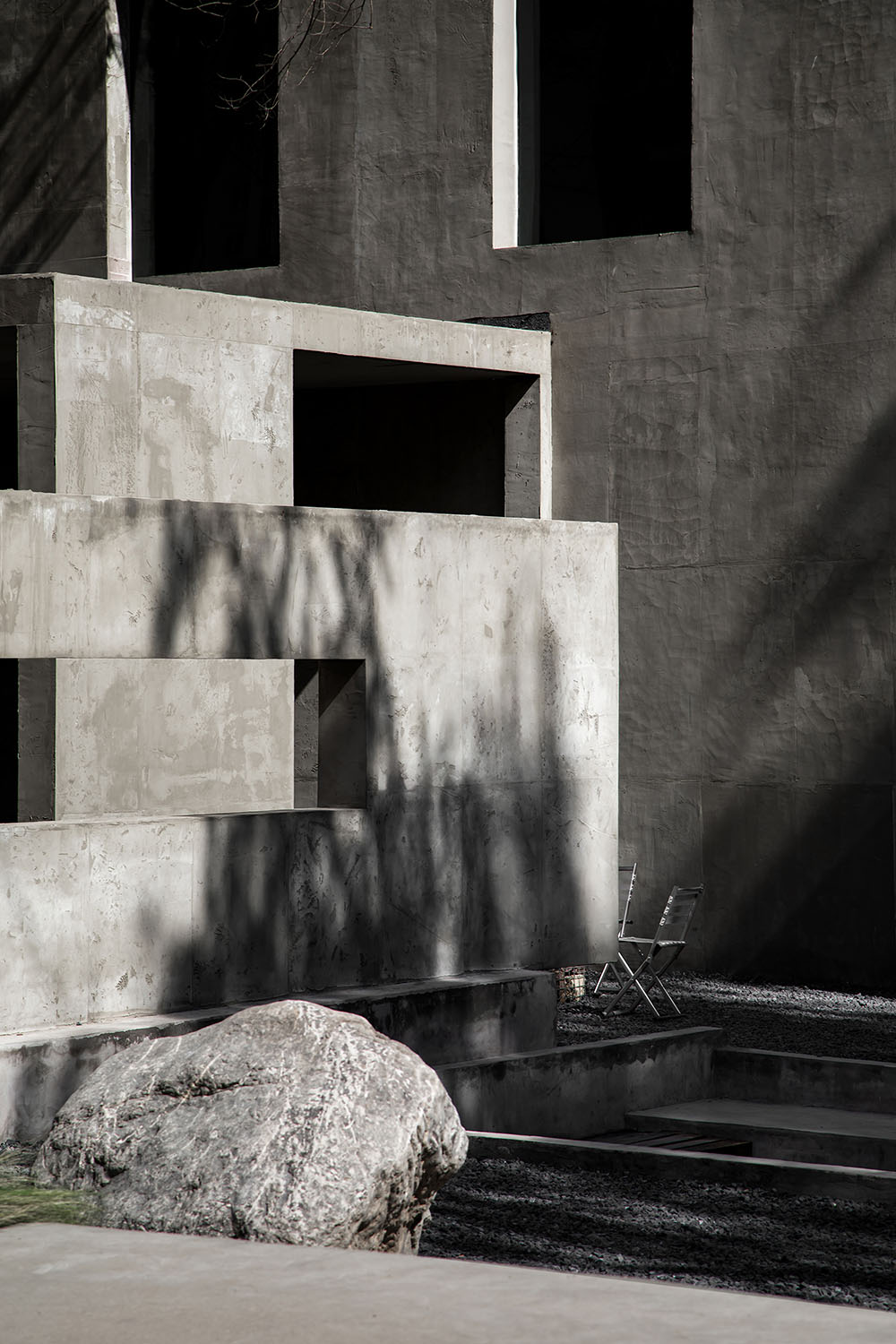
設計背景與理念:從工業遺跡到生活劇場
Design Background and Concept: From Industrial Relics to Life Theater
項目選址於帶紅磚舊煙囪的廠房磚構空間,設計團隊以 “工業記憶的當代轉譯” 為核心理念,拒絕對空間進行 “精致化抹平”,而是保留紅磚的斑駁、磚塊的原始排布,讓工業遺產的 “時間痕跡” 成為空間的敘事線索。同時,以 “服裝 + 咖啡” 的業態組合,注入時尚與人文活力,使空間成為 “工業曆史的容器” 與 “當代生活的舞台”,傳遞 “自然氧化的力量重獲平靜與活力(The natural power of oxides regains peace and vitality)” 的深層價值主張。
The project is located in a brick-structured space of an old factory with a red brick chimney. Taking “contemporary translation of industrial memory” as its core concept, the design team refuses to “refine and smooth out” the space. Instead, it preserves the mottling of red bricks and their original arrangement, allowing the “traces of time” of industrial heritage to become the narrative clue of the space. Meanwhile, through the business combination of “clothing + coffee”, it injects fashion and humanistic vitality, making the space both a “container of industrial history” and a “stage of contemporary life”, and conveying the in-depth value proposition that “The natural power of oxides regains peace and vitality”.
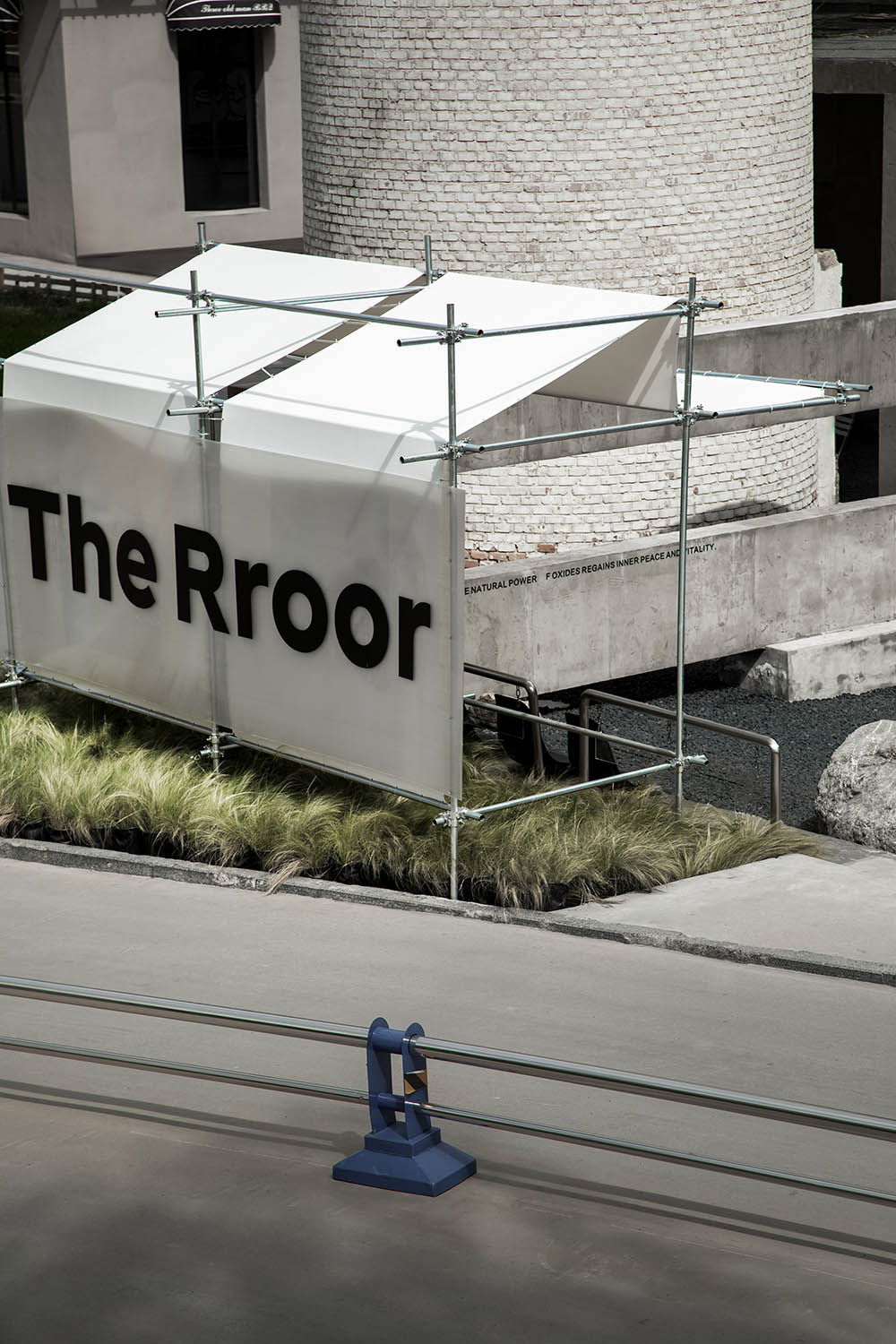
空間敘事:三層維度的場景構建
Spatial Narrative: Scene Construction from Three Dimensions
曆史維度:工業遺跡的保留與強化
Historical Dimension: Preservation and Enhancement of Industrial Relics
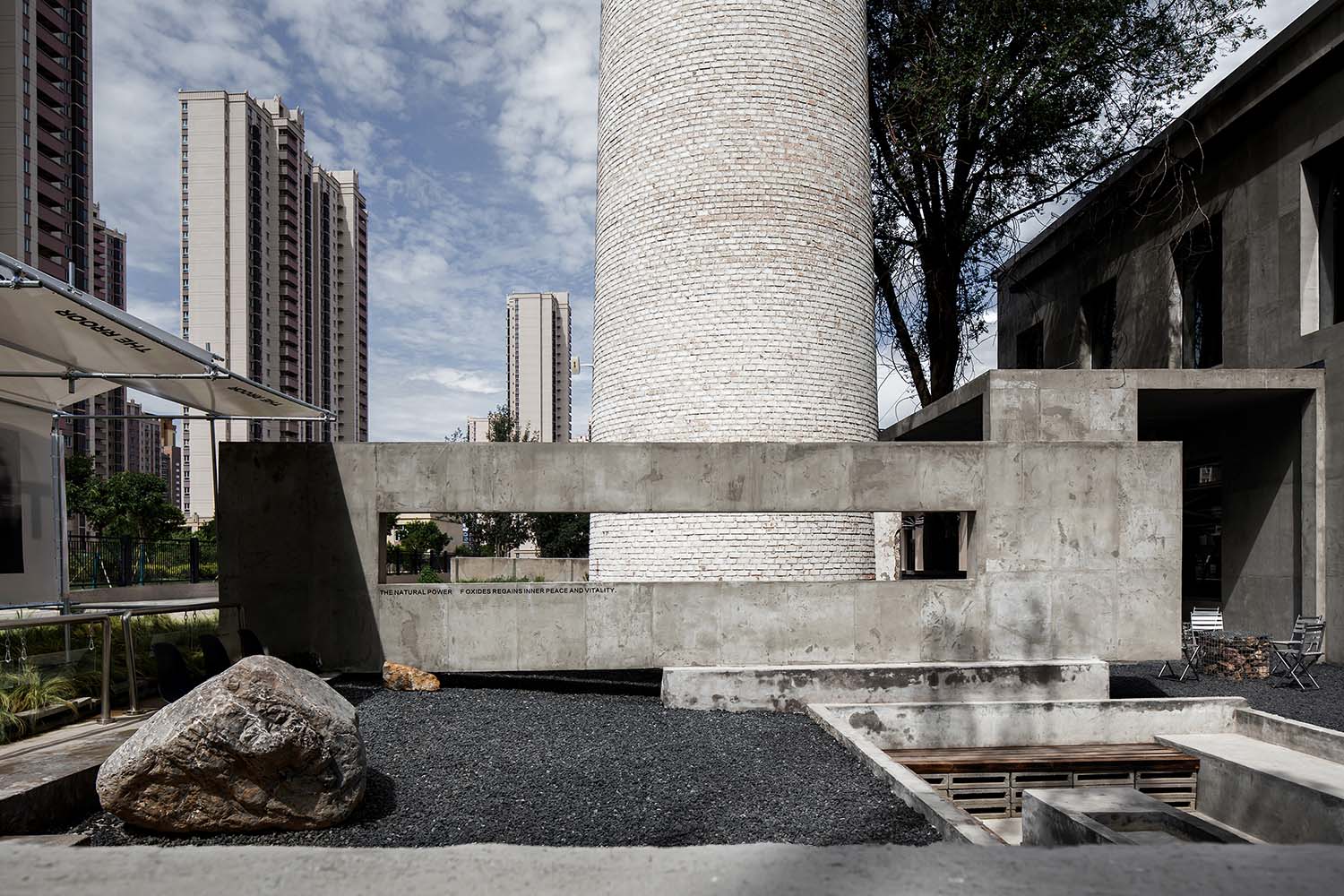
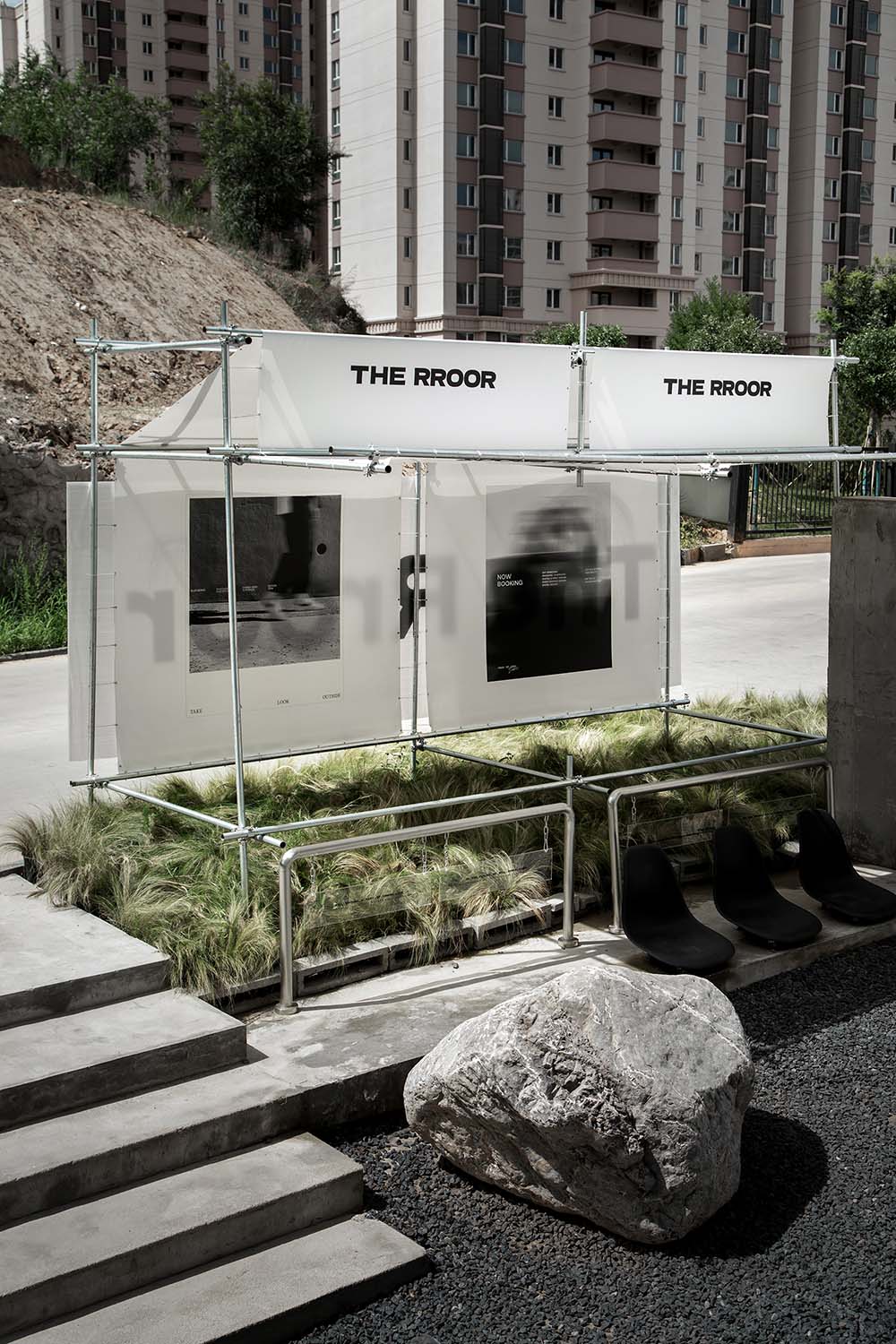
紅磚塔作為工業時代的標誌性遺跡,設計團隊未做過多修飾,僅以混凝土矮牆進行框景式呼應,使其成為空間的 “曆史錨點”,在現代建築與城市高樓的環繞中,訴說場地的過往。
混凝土牆麵的模板痕跡、裸露的管道與電線、原始的門窗洞口,均被保留並作為 “工業美學” 的組成部分,讓空間自帶 “未完成的藝術感”。
As a landmark relic of the industrial era, the red brick tower has not been over-decorated by the design team. It only uses a low concrete wall to echo it in a framing way, making it a “historical anchor” of the space. Surrounded by modern buildings and urban high-rises, it tells the past of the site. The formwork traces on the concrete walls, exposed pipes and wires, as well as the original door and window openings, have all been preserved and incorporated as part of the “industrial aesthetics”, endowing the space with an inherent “sense of unfinished art”.
相關文章推薦



評論(0)